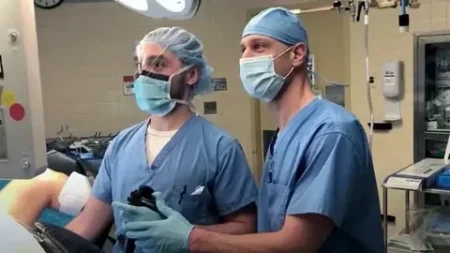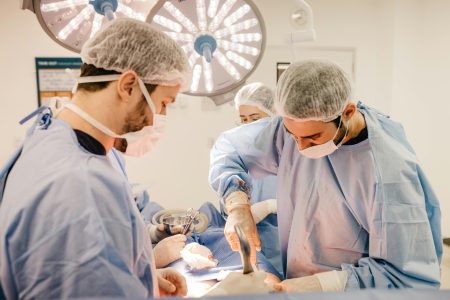





For decades, spinal fusion has been the standard solution for patients dealing with chronic back and neck pain caused by degenerative disc disease, instability, or nerve compression. While fusion has helped countless people reclaim their lives, it comes with a fundamental trade-off, eliminating movement at the treated segment in exchange for stability. Motion preservation surgery was developed to challenge that trade-off, giving patients a way to address spinal problems without permanently sacrificing flexibility.
Understanding what motion preservation surgery actually does requires looking beyond the name and examining the mechanics, the philosophy, and the real-world outcomes behind this growing area of spine care.
The Core Problem With Traditional Fusion
Spinal fusion works by permanently joining two or more vertebrae together, eliminating movement at that segment. The logic is straightforward, if a painful or unstable joint stops moving, it stops causing pain. In many cases, this approach is effective and appropriate.
However, the spine is a dynamic structure designed to flex, rotate, and absorb force across multiple levels. When one segment is fused, the segments above and below it are forced to compensate for the lost movement. Over time, this added stress accelerates wear on the adjacent discs and joints, a condition commonly referred to as adjacent segment disease. For some patients, this means returning to surgery years later to address new problems that developed as a direct result of the original procedure.
What Motion Preservation Surgery Is Designed to Do
Motion preservation surgery takes a different approach. Rather than eliminating movement at the affected segment, these procedures are designed to maintain or restore natural spinal mechanics while still addressing the underlying source of pain.
The goal is to treat the problem (whether it is a damaged disc, nerve compression, or instability) without fundamentally changing how the spine moves. By keeping the treated segment functional, motion preservation techniques aim to reduce stress placed on surrounding levels and lower the likelihood of future complications.
This represents a meaningful shift in how spine surgeons think about long-term outcomes, moving the focus from short-term pain relief to sustained spinal health across a patient’s lifetime.
The Main Types of Motion Preservation Procedures
Several approaches fall under the motion preservation umbrella, each suited to different conditions and patient profiles.
Disc Replacement
Artificial disc replacement involves removing a damaged disc and inserting a prosthetic device that replicates the function of a natural disc. Unlike fusion, the prosthetic allows the vertebrae to continue moving relative to one another, preserving the range of motion at that level.
Dynamic Stabilization
These procedures use flexible implants to support the spine while still permitting controlled movement. Rather than locking the segment in place, dynamic stabilization systems work more like a shock absorber, reducing load on the disc while maintaining mobility.
Interspinous Devices
Placed between the bony projections at the back of the spine, these devices help offload pressure on specific structures without fusing the vertebrae. They are commonly used in cases of spinal stenosis where decompression alone may not provide lasting relief.
Who Is a Candidate for Motion Preservation Surgery
Not every patient with spinal problems is a candidate for motion preservation procedures. Factors such as the degree of degeneration, the presence of instability, bone quality, and overall health all play a role in determining whether these techniques are appropriate.
Younger, more active patients who want to maintain their lifestyle and reduce the risk of long-term complications are often well suited for these procedures. Patients who have not yet undergone spinal surgery and have relatively preserved disc structure tend to see the strongest outcomes.
Specialized spine practices like The Anand Spine Group work closely with patients to evaluate whether motion preservation options align with their anatomy and long-term goals, helping them move forward with clarity and confidence.
A Smarter Path Forward for Spine Care
Motion preservation surgery does not claim to be the right answer for every patient. What it does offer is a broader range of options, one that considers how the spine functions as a whole rather than treating each painful segment in isolation.
For patients facing spinal surgery, understanding what motion preservation actually does is the first step toward making a well-informed decision about their care.